
Reach your audience where they work, learn, live, play, make health decisions, or engage in risk behaviors. Narrowcasting as a media strategy places and sustains targeted messages in community venues within neighborhoods. This placement allows individuals from the priority audience to be exposed to materials in places they visit frequently and trust. A narrowcast “display point” typically consists of a poster and/or a counter display with take-away.
Reasons to consider narrowcasting for your next media buy or campaign:
Campaigns are customized at the neighborhood level or by audience/venue type (e.g. older adult venues such as senior centers county-wide).
Instead of a one-time drop of materials, our team visits each venue following a week after installation to remove “immediate drop” venues from the campaign. Then each venue is visited on a monthly basis to replace and restock inventory.
Placement reaches your audience where they engage in risk behaviors and/or make health decisions.
Content can be refreshed and swapped out every 3 months.
In addition to impressions, a narrowcast campaign integrates engagement with custom take-aways such as pocket cards, decals, green ribbons during mental health awareness month, and more.
Narrowcasting can reach under-served and hard to reach population(s) for whom barriers exist because of language and cultural considerations.
A detailed installation report documents material placement with photos, venue descriptions, estimated weekly impressions and a placement map. Monthly or quarterly maintenance reports document venue and display point counts and take-away of materials.
A narrowcast campaign is most effective if implemented over a minimum of six months or longer, thus allowing the target audience to be exposed to materials multiple times and to take action at a point in time when they are ready. With venues, placement is encouraged for public private spaces such as restrooms and waiting areas. In these strategic settings individuals from the intended priority population(s) are temporarily “captive” and especially open to sensitive information such as substance use, suicide prevention, and violence prevention.
Not Just Reach, But Evidence-Based Impact
Jana Sczersputowski, President of Your Social Marketer, got involved in narrowcasting as part of her MPH masters thesis. The POWER campaign (Prevention Options for Women Equal Rights) was a targeted social marketing initiative developed in 2000–2001 and evaluated in inner-city Denver neighborhoods to promote reproductive health, specifically aiming to increase female-initiated barrier methods to give women aged 15 to 25 practical tools for negotiating sexual health and self-protection. Materials included posters, take-away cards with condom use instructions, and a list of retail partners to redeem free silk purses with male and female condoms. A 6-month social marketing study across 12 urban neighborhoods (6 receiving the campaign and 6 acting as controls) evaluated its broad community impact.
Not Just Reach, But Evidence-Based Impact
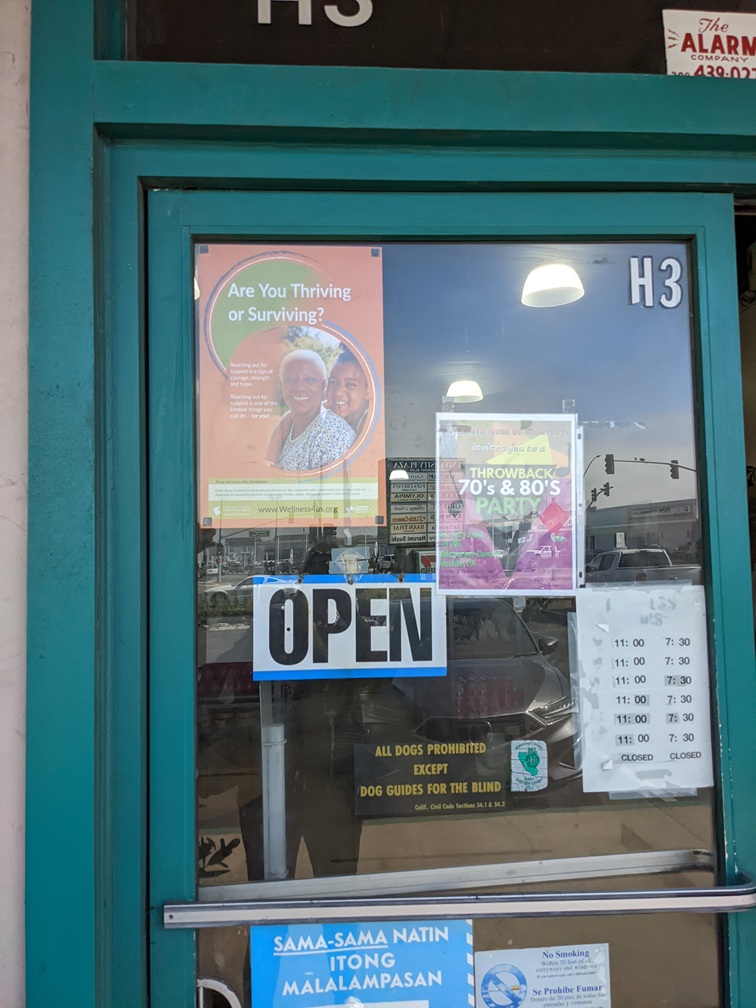
Case Study #1 Monterey County’s Wellness 4 Us Campaign Engaged Underserved Communities in Outpatient Mental Health Services
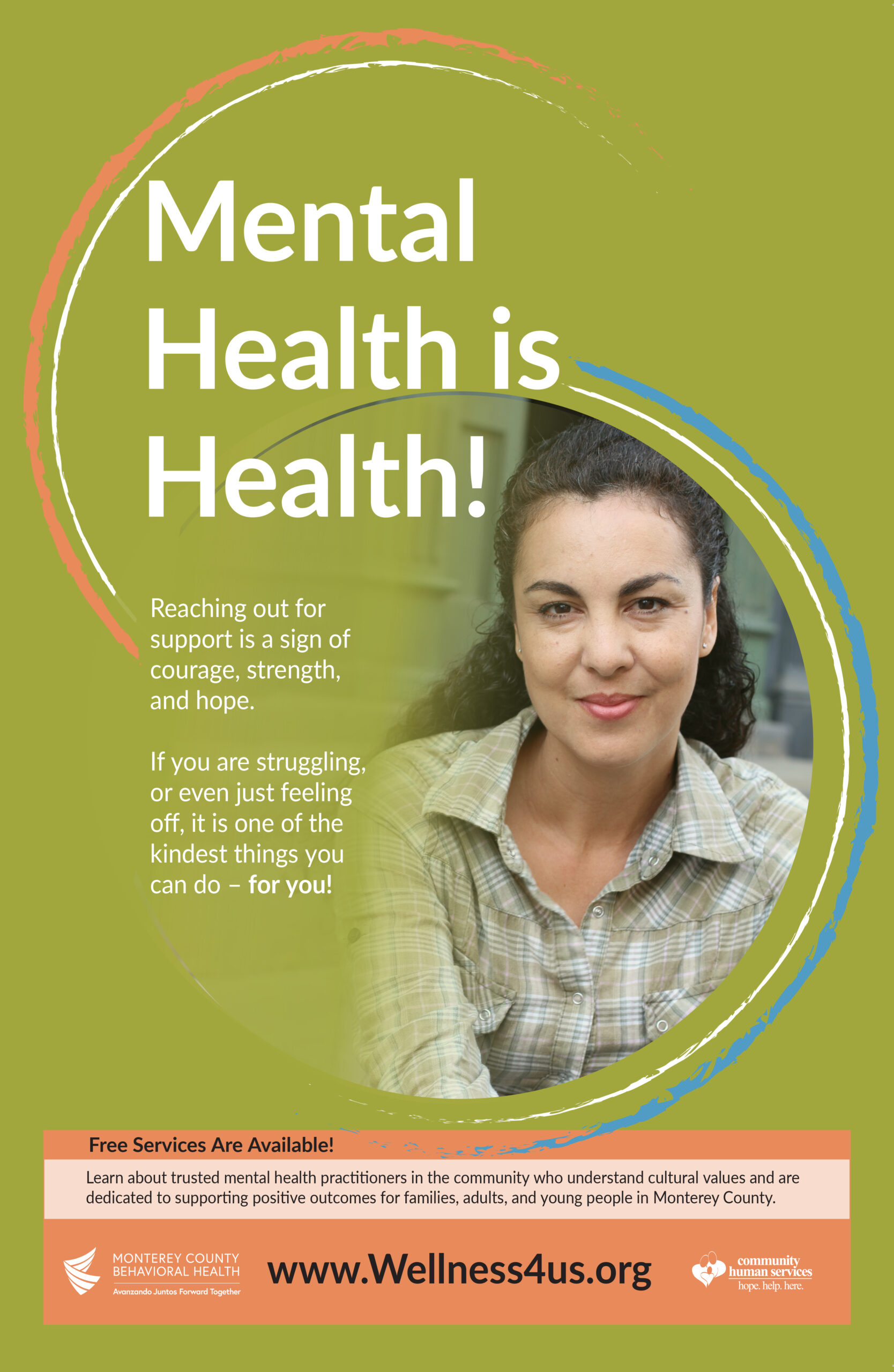
This narrowcasting outreach project was a multi-year campaign (2022 to 2026) consisting of displaying outreach materials in community venues within three neighborhoods in Monterey County: Seaside, East Salinas and Castroville, with a goal to engage historically underserved populations with information and resources to know when and where to reach out for outpatient mental health support. Outreach materials consisted of 11” by 17” posters in English and Spanish, and a small countertop display to distribute a pocket-size bilingual brochure. All materials refer community members to these two landing pages: www.wellness4us.org in English and www.bienestarparati.org in Spanish. This narrowcast campaign was implemented for Community Human Services and in partnership with County of Monterey, Behavioral Health and several community-based organizations (Center for Community Advocacy, Pajaro Valley Prevention and Student Assistance, The Village Project, The EpiCenter).
Priority Population
African American/Black Hispanic LGBTQ+
By the Numbers
- 47 Months Active in Community
- English and Spanish
- 264 Venues
- 558 Display Points (Posters, Counter Displays)
- 20,667 Green Pin Ribbons (distributed as special activation every May)
- 13,039 Pocket Cards Distributed
Public libraries | Community Centers | Medical Offices | Pharmacies | International Money Wiring Service Establishments | Hair Salons | Nail Salons | Barber Shops | Public Laundromats | Restaurants Convenience Markets | Smoke Shops | Other Small Businesses
Not Just Reach, But Evidence-Based Impact
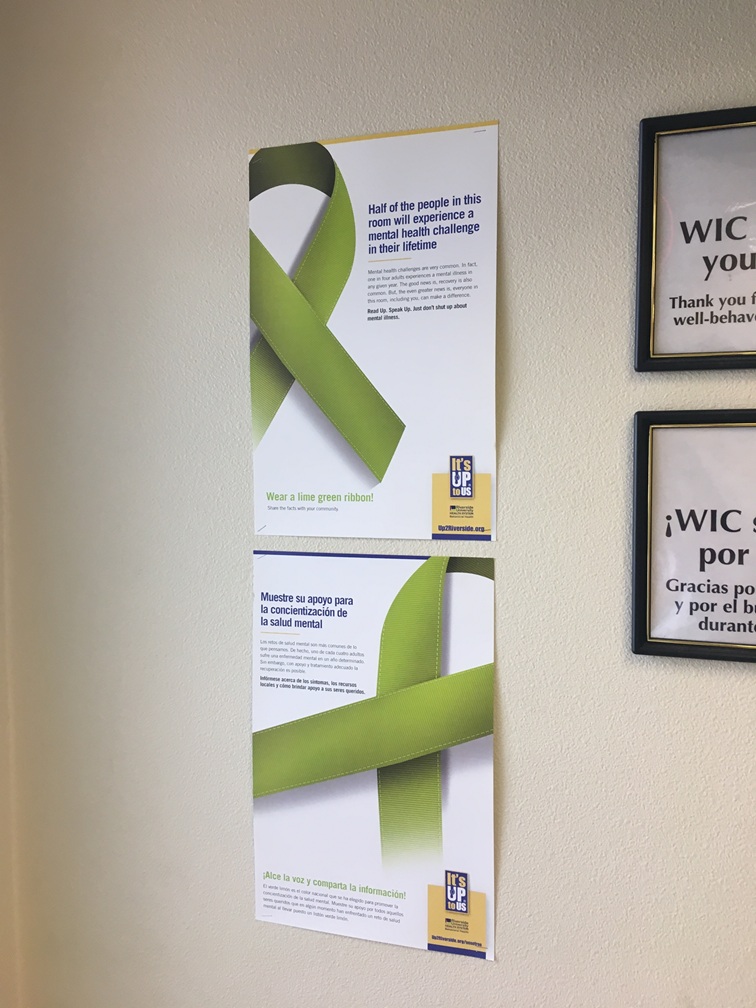
Case Study #2 Riverside County’s Older Adult Campaign Promoted Regional Mental Health Suicide Prevention Resources
This narrowcasting outreach project was a targeted media tactic that complimented a large-scale general population media campaign (It’s Up to Us). The 9-month campaign consisted of outreach materials designed to educate older adults that depression is not a normal part of aging and that it can get better with help. Materials were placed in venues throughout the Coachella Valley of Riverside County (senior centers, apartments and communities). The campaign materials, featuring large font, included posters, and a display with brochures in English and Spanish featuring regional Riverside County resources.
Priority Population
Older adults in Riverside County
By the Numbers
- 9 Months Active in the Community
- English and Spanish
- 135 Venues
- 283 Display Points (Posters, Counter Displays)
- 15,916 Brochures Distributed
Senior Centers | Senior Residential Living | Apartments | Pharmacies